
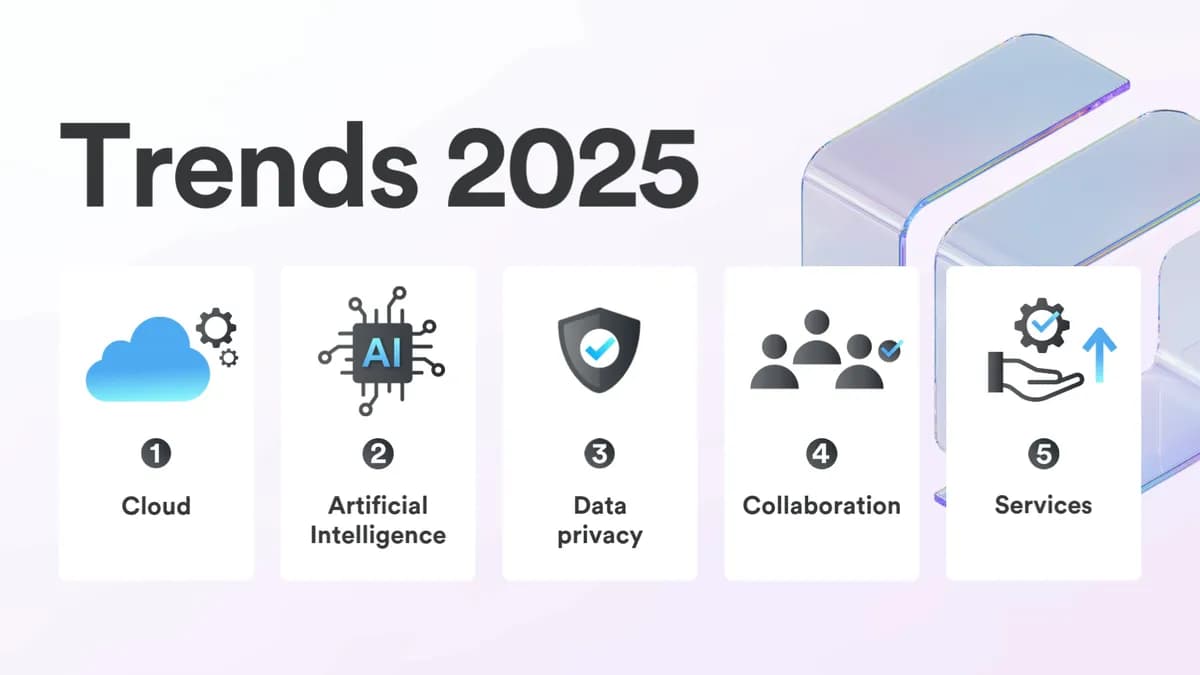
In 2025, the physical security industry will focus on maximizing existing investments to enhance security, increase efficiency, and boost collaboration between teams.
Dubai, 20 January 2025 — Genetec Inc. (“Genetec”), the global leader in enterprise physical security software, today shared its top predictions for the physical security industry in 2025.
Practicality will overcome hype.
Organizations are becoming more strategic in deploying the cloud. They’re balancing on-premises, edge, and cloud solutions for optimal fit. In 2025, decision-makers will prioritize hybrid systems, focusing on centralized monitoring, reduced maintenance with quick-deploy hybrid cloud systems, and modernizing video or access control systems without discarding existing investments. Fully cloud-based deployments may optimize costs or enable broader third-party integrations using on-premises infrastructure. SaaS solutions supporting hybrid-cloud environments will offer the most flexibility, combining video, access control, and sensors from various manufacturers while integrating existing infrastructure via the cloud.
AI for outcome-driven benefits
The 2025 State of Physical Security Report indicates that 42% of respondents who work in procurement, management, or use of physical security technology plan to deploy some facet of AI in their security operations in the coming months.
When applied thoughtfully, AI-enabled security solutions can be game-changing, primarily when organizations identify key operational challenges and solve them through intelligent automation, a combination of artificial intelligence (AI), intuitive user experience (intuitive UX), and automation. The most effective implementations are anchored in Responsible AI, ensuring technology is both ethical and transparent. This approach not only mitigates risks but also enhances trust and compliance.
Organizations will prioritize data privacy.
The global average data breach cost hit $4.88 million in 2024. This, combined with the fact that industry regulations impacted 67% of organizations last year, means organizations will continue investing in data protection and industry compliance. However, not all physical security systems are built to support these efforts. When deploying new systems, IT and physical security teams will choose ones with built-in data protection and privacy tools with the latest certification. They’ll also look at cloud and hybrid-cloud solutions since upgrades and fixes automatically get pushed to their physical security system—including new cybersecurity and privacy features.
The cross-team collaboration will gain traction.
Our latest industry survey indicates that many organizations expect difficulty hiring qualified personnel in 2025. This could explain why tools that help with data analysis and visualization and improve collaboration between teams ranked among the top 5 projects for 2025. Organizations want to remove bottlenecks and ease stress for security teams. To do that, they’ll look for tools that empower people in IT, facilities, and human resources with more excellent information and autonomy.
Stakeholders will demand more from service providers
Choosing physical security solutions doesn’t solely fall on the shoulders of security professionals anymore. From information technology (IT) teams and security operations (SecOps) to facilities teams, more people are getting involved in physical security decisions. But they all come to the table, focusing on their challenges, requirements, and priorities.
Because of this, end users will demand more from service providers, including channel partners, consultants, and technology vendors. They expect these providers to understand cybersecurity, operations, data, and business automation better. They’ll want more cohesive guidance to address stakeholder needs and equip them with the right tools.


