
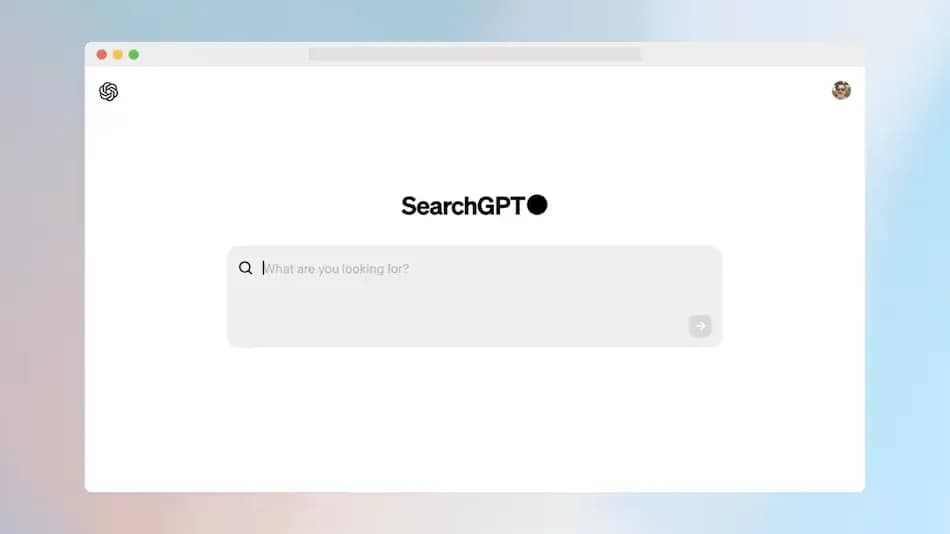
OpenAI launches SearchGPT, a prototype that combines AI capabilities with web-sourced information to provide users with timely, reliable search results. This innovation aims to enhance user experience while respecting the ecosystem of publishers and journalists.
As the digital landscape evolves, how we search for information is profoundly transformed. On July 25, 2024, OpenAI introduced SearchGPT, a temporary prototype designed to optimize AI search features by delivering swift and relevant responses sourced directly from the web. This initiative aims to alleviate the traditional challenges of online searching, giving users a seamless experience in finding the information they require.
Transforming Online Searching
Retrieving answers online can often be cumbersome. Users typically face numerous obstacles in obtaining precise results from search engines, often necessitating multiple attempts. Recognizing these challenges, OpenAI has integrated conversational AI capabilities with up-to-date internet resources to facilitate a more intuitive search experience.
SearchGPT is envisioned to offer rapid, direct answers to user queries while providing links to the relevant sources. This direct engagement mimics a human-like conversation, allowing users to delve deeper into their inquiries through follow-up questions, enhancing the overall search capabilities.
Enhancing Publisher Engagement
OpenAI emphasizes maintaining a vibrant ecosystem for publishers and content creators. With SearchGPT, the objective is to disseminate information and promote publisher websites, thereby enriching the user experience with high-quality content. In a statement underscoring this commitment, Nicholas Thompson, CEO of The Atlantic, remarked, “AI search is going to become one of the key ways that people navigate the internet…that values, respects, and protects journalism and publishers.”
SearchGPT is structured to cite and link to publishers prominently within the responses. By providing named attribution and in-line links, users can trace the origin of their information. This design fosters greater engagement between users and reputable sources, facilitating a more rewarding information exploration.
Publisher Controls and Feedback Processes
In addition to enhancing user interaction, the SearchGPT prototype includes mechanisms for publishers to manage their visibility within the AI ecosystem. This aspect allows content creators a greater degree of choice in how they are represented in search results. Crucially, OpenAI assures that participation in SearchGPT is independent of content utilized for training its generative AI models.
OpenAI has also opened channels for publishers and creators to understand better their content’s performance within the new AI-driven search landscape. Through feedback mechanisms, publishers are invited to share their insights and suggestions regarding SearchGPT’s effectiveness, thereby aiding in its refinement before a wider rollout.
Ensuring Information Integrity and Quality
As Robert Thomson, CEO of News Corp, highlighted, the foundation of effective AI-powered search lies in the utilization of reliable information from trusted sources. The synergy between technology and high-quality content is paramount to maintaining the integrity of information. SearchGPT’s framework emphasizes this principle, delivering verifiable and credible responses to users while navigating the complexities of digital information access.
Future Directions for SearchGPT
The introduction of SearchGPT is merely the beginning. OpenAI plans to gather extensive feedback from users and publishers to enhance the prototype further. Prospective improvements are anticipated in delivering accurate local information and streamlining commerce-related queries, expanding the functionalities of the AI search tool.
Focusing on integrating SearchGPT’s best features into the existing ChatGPT framework, OpenAI is set on a path of continuous evolution, ensuring that users benefit from a more refined and effective search tool.
The unveiling of SearchGPT by OpenAI represents a significant step towards redefining how users seek information online. Integrating conversational AI with real-time web data promises to deliver quick, reliable, and contextually relevant answers while fostering meaningful connections between users and publishers. As the search landscape continues to evolve, the emphasis on collaboration, quality content, and user-centric design will be essential in navigating the future of digital information retrieval.


